
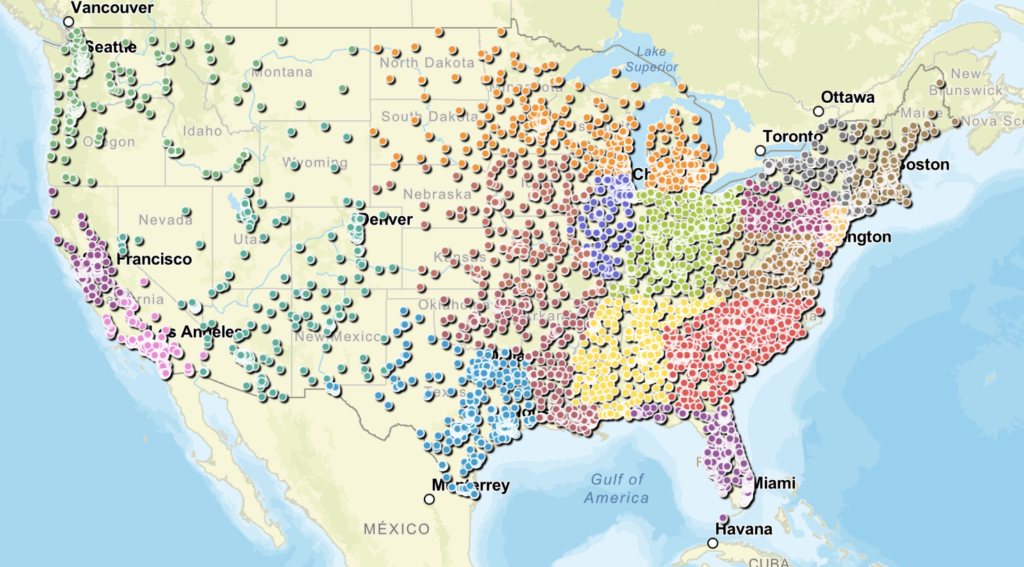
Additional Maps:
FOR PATIENTS
Stay Safe. Stay Prepared. Never Miss Life-Sustaining Treatment.
Emergencies can disrupt dialysis treatment and make it harder to get to a clinic or receive care on schedule. Planning ahead helps patients maintain continuity of care and reduce delays during unexpected events.
Potential disruptions may include:
- Severe weather, including hurricanes, winter storms, tornadoes, flooding, extreme heat, earthquakes, and wildfires
- Power outages, transportation disruptions, and facility access issues
- Cyber incidents, chemical incidents, public health emergencies, and other events that affect health care services
What Do I Do?
Before an emergency
- Know how to contact your clinic and nephrologist
- Maintain a 14-day supply of medication
- Prepare an emergency kit
- Identify backup transportation
- Register for emergency alerts
During an emergency
- Contact your dialysis clinic first
- Seek an alternate facility if necessary
- Contact your ESRD Network if applicable
- Call 911 for life-threatening emergencies
Hazard-specific guidance:
- Visit gov for more information on the different hazards that may affect your ability to receive dialysis treatment
Where Do I Go?
It is important to know what to do if your dialysis facility is closed
- Use the map to find other dialysis facilities nearby
- Contact your provider to assist you with finding an open facility
- Go to the hospital if you are experiencing a medical emergency
Who Do I Call?
Always have a list of phone numbers available in case of emergency
- Call 911 if you are experiencing a medical emergency
- Family and friends
- Your dialysis clinic
- ESRD Network
- Transportation provider
FOR FACILITIES
Coordinate. Communicate. Support Continuity of Care.
Use this section for quick access to the information and resources facilities need during emergency preparedness, response, and recovery efforts.
Key areas include:
- Situational awareness: Current emergency conditions, alerts, and facility status updates
- Patient access issues: Work with your ESRD Network and KHARES for access of care challenges, such as transportation barriers, missed treatments, relocation needs, and continuity-of-care concerns
- Partner coordination: Communication with ESRD Networks, emergency management, health care coalitions, and other response partners
- Emergency resources: Tools, guidance, contacts, and reporting resources to support timely decision-making
FOR ESRD NETWORKS
Protect Patients. Maintain Operations. Preserve Continuity of Care.
Use this section for quick access to the tools and information ESRD Networks need to support emergency coordination and continuity of care.
Key resources include:
- Emergency reporting: Submit updates, document impacts, and share time-sensitive information with response partners
- Facility status updates: Monitor openings, closures, service interruptions, capacity concerns, and operational needs
- Resource requests: Identify and escalate requests related to staffing, supplies, transportation, patient placement, and other support needs
- Operational guidance: Access procedures, contacts, templates, and decision-making resources to support timely response and recovery actions